

The Art of Living Slowly During the Busy Year-End Season | Safe and Sound
The end of the year is always associated with worries and busyness. Pressure from work, family, and personal plans can easily leave you feeling stressed and tired. However, amidst the hustle and bustle of life, practicing the art of slow living becomes a solution to reduce stress and improve mental health. Below are the benefits and effective ways to apply this lifestyle, as suggested by psychology experts.
Dinh Thi Thu Hong | Social work – Application in mental health care
Institute of Applied Medical Technology
1. The concept of slow living
The art of slow living is a conscious approach to life, focusing on the present and enjoying the simple things. Slow living doesn't mean being sluggish or stagnant, but rather changing your approach to life to become more mindful, alert, and purposeful in your actions, so you can appreciate everyday moments.
According to psychologists, slow living is a state where the mind is freed from pressure and not caught up in the hustle and bustle of life, thereby creating conditions for reflection and making better decisions. This not only helps you manage stress but also improves the quality of life.
For example:
- Instead of rushing through your morning meal, take time to enjoy a hot cup of tea and savor the peaceful atmosphere before starting your day.
- Instead of trying to complete a series of tasks at once, do one thing at a time with maximum focus.
2. The benefits of slow living
Slow living is not just a trend, but also a method that helps people take control of their lives, reduce stress, and improve their quality of life. Psychologists recommend this lifestyle because of its significant benefits for mental health and its ability to effectively reduce stress.
2.1 Reduce stress and anxiety
Psychologists believe that when you live slowly, you reduce haste and stress, allowing yourself to handle things more calmly. This helps the body and mind relax, limiting prolonged stress. The art of slow living helps you prevent burnout from work and life. Psychologists also share that when you live slowly, you can more easily recognize the good things in life, instead of being caught in a constant cycle of anxiety.
For example, when working, instead of stressing out trying to rush through a multitude of tasks, focus on completing each task one at a time to avoid unnecessary pressure.
2.2 Improving mental health
Mental health improves when you focus on the present, instead of being preoccupied with worries about the past or the future. Psychologists say this allows you to view things more positively, thereby reducing negative thoughts, helping you stay calm in difficult situations, and improving emotional management skills. Psychologists note that people who practice a slower pace of life tend to have a more relaxed mood, cope better with pressure, and maintain a positive outlook in all situations.
2.3 Improving social relationships
Psychologists suggest that slowing down allows you to spend more time listening to and understanding those around you. This strengthens connection and bonding in social relationships. When you live at a slower pace, you can dedicate time to meeting friends and family without feeling rushed or pressured.
For example: Organizing a family dinner, going for a walk with friends, or simply spending quality time chatting with loved ones each day.
2.4 Improve physical health
When your mind is relaxed, your body becomes healthier. Psychologists say that living at a slower pace helps the immune system function more effectively, reducing the risk of stress-related diseases such as cardiovascular problems, high blood pressure, and digestive issues. In addition, a slower pace of life improves sleep quality. When your mind is at ease, you'll find it easier to fall into a deep sleep and maintain good physical health.

3. How to effectively apply the art of "Slow Living"
3.1 Plan effectively
Psychologists suggest that instead of trying to rush through everything, you should make a reasonable plan to reduce stress.
Here are some suggested activities:
- Create a to-do list: Break down tasks into smaller parts and prioritize them.
- Limit the number of tasks: Focus only on the most important tasks each day.
- Avoid multitasking: Do one thing at a time with full concentration instead of juggling multiple tasks simultaneously.
3.2 Start your day in a relaxed way.
Starting your day in a calm and positive state helps you better control your emotions and maintain energy throughout the day.
Here are some suggested activities:
- Wake up 15-30 minutes earlier than usual: Take time to relax before starting work.
- Drink a cup of tea or coffee: Enjoy the warm and peaceful feeling in the morning.
- Gentle exercise: Short walks, yoga, or meditation for 10-15 minutes can help warm up the body and improve mood.
- Deep breathing: Take deep breaths for a few minutes to reduce anxiety and improve focus.
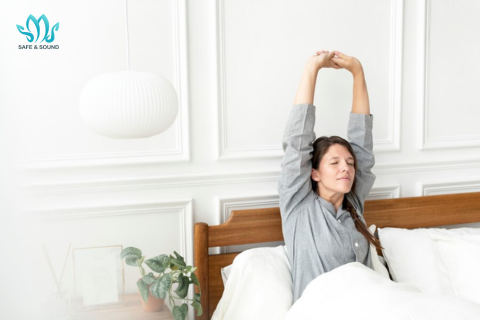
Take a deep breath to start your day.
3.3 Focus on the present moment (mindfulness)
Psychologists believe that mindfulness is an important part of the art of slow living, helping you focus on the present moment instead of worrying about the past or the future.
Here are some suggested activities:
- Avoid multitasking: Psychologists suggest trying to do one thing at a time with maximum concentration. Turn off unnecessary notifications from your phone and social media while working.
- Practice mindfulness daily: Take a few minutes each day to meditate or practice deep breathing. Remember that no task is more important than your inner peace.
See also: A beginner's guide to practicing mindfulness to reduce stress
3.4 Managing Emotions
Psychologists say that managing emotions is crucial for maintaining mental health in a busy life.
Here are some suggested activities:
- Keep an emotional journal: Record things that make you happy or difficulties you encounter to identify and manage your emotions.
- Practice gratitude: Remember the positive things in your life to cultivate an optimistic attitude.
- Relax your mind: Spend time listening to soothing music or reading your favorite book to reduce stress.
3.4 Reduce screen time
Psychologists say that excessive use of phones and social media is a major cause of poor mental health.
Here are some suggested activities:
- Turn off unnecessary notifications: Only keep important notifications to avoid distractions.
- Limit your online time: Dedicate only a specific amount of time each day to checking email or social media.
- Turn off your devices before bed: Avoid using your phone or computer for at least 30 minutes before bedtime for a better night's sleep.
3.5 Self-care
Psychologists say that self-care helps you recharge and increase your ability to cope with life's pressures.
Here are some suggested activities:
- Get enough sleep: Aim for 7-8 hours of sleep each night to keep your body and mind healthy.
- Regular exercise: Maintain a habit of exercising for at least 30 minutes each day to improve overall health.
- Healthy eating: Include plenty of green vegetables and fruits, and drink enough water to boost your immune system.
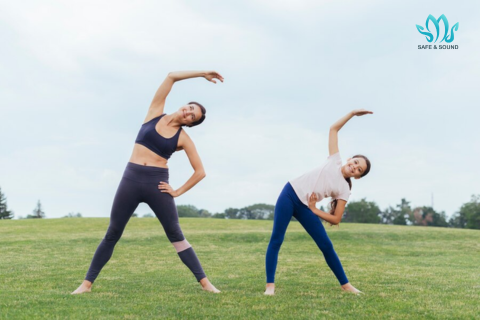
Do exercise
The art of slow living is key to regaining balance in a busy life, especially during the stressful year-end season. Adopting these simple yet effective habits will help you reduce stress, improve mental health, strengthen relationships, and enjoy life more fully. Slow down to live deeply.
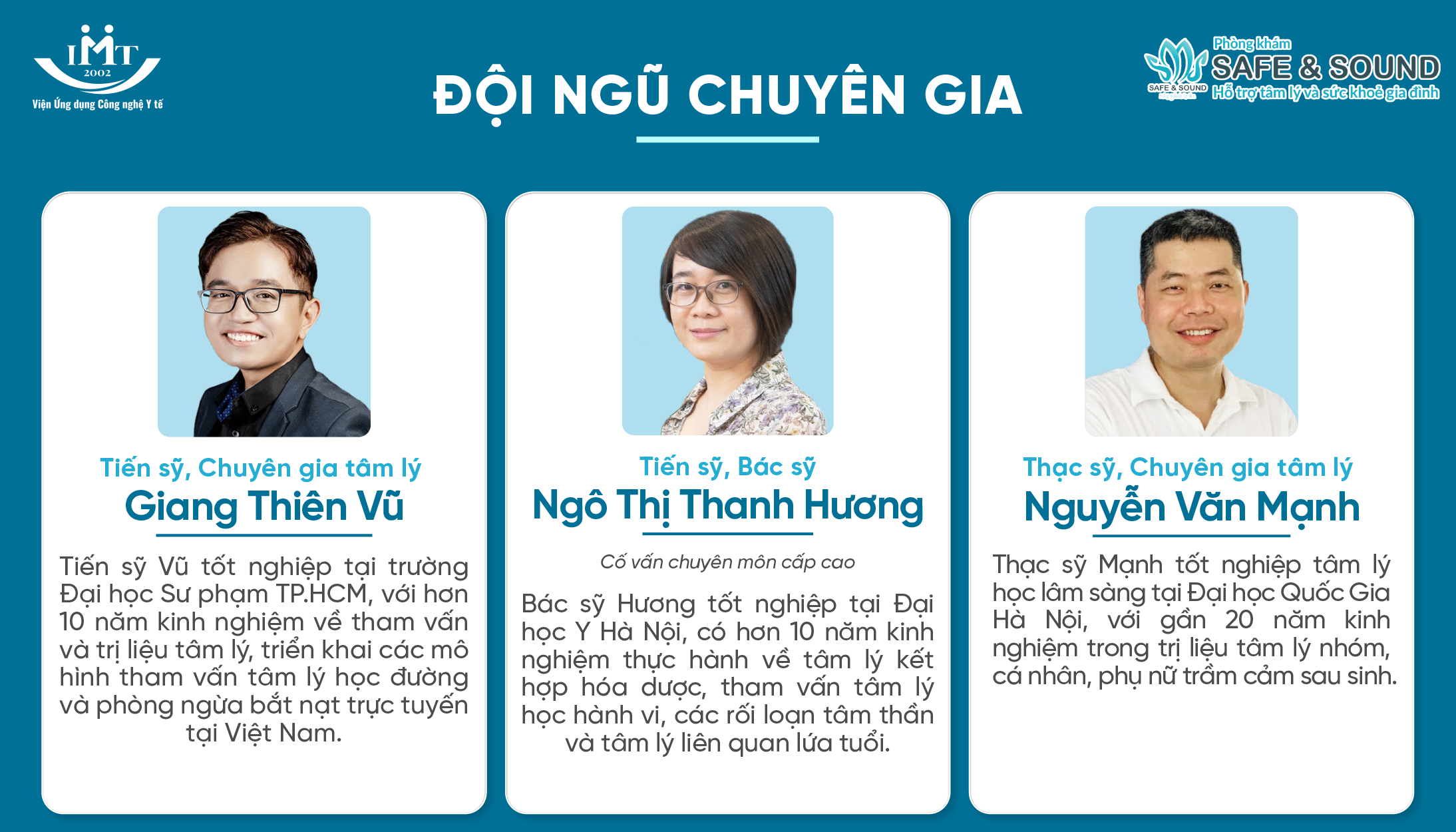
Safe and Sound Clinic - Family mental and health support
With a team of experienced doctors and specialists, Safe and Sound Clinic is a pioneer in comprehensive healthcare, offering services ranging from medical to psychological care.
"Early preparation - Timely support - Long-term partnership."
If you suspect you have a mental health problem, or would like more information about our counseling services, please contact our HOTLINE at 0964 778 911 (Phone/Zalo, 24/7) for prompt assistance and answers!
HOW TO SCHEDULE AN APPOINTMENT for online or in-person consultation with a specialist.
- On the SNS Psychologist Fanpage
- Alternatively, download and schedule a consultation on the Safe and Sound app to manage and track your appointments anytime, anywhere.
Safe and Sound is part of the Institute of Applied Medical Technology (IMT).

See more:
- Tips to reduce stress and pressure during Tet (Part 2)
- Tips to reduce stress and pressure during Tet (Part 1)
3 exercises that are good for your mental health that you need to know.
